
Knife-blade sabong refers to cockfighting involving artificial blades. It describes an aspect of the physical contest; the phrase alone does not identify a venue, establish a common rulebook or verify anything advertised by a website. Understanding that limited meaning helps distinguish a descriptive label from unsupported claims about rules, results and safety.
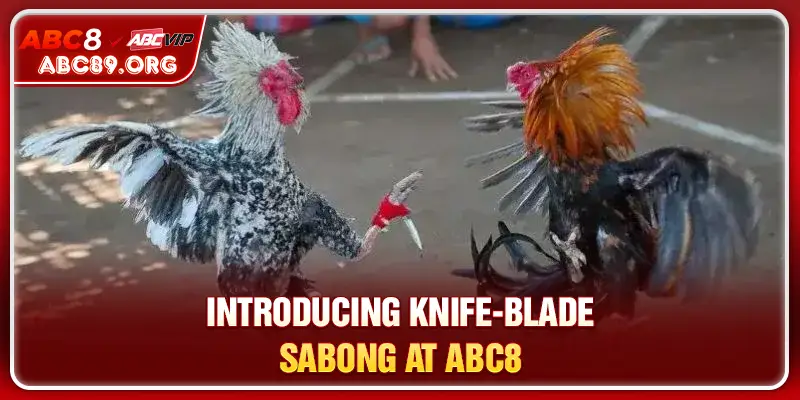
What does the knife-blade label actually mean?
Sabong is the Philippine term for cockfighting. In descriptions of cockfighting, a natural spur and an artificial fighting implement are different things. The term “knife-blade” points to an artificial blade; descriptions may also mention gaffs or metal spurs. Those words should not be treated as precise technical specifications without the source explaining its usage.
ASPCA and RSPCA accounts of cockfighting describe artificial implements and the serious injuries associated with them. That supports an explanation of the welfare risk. It does not establish the equipment, procedures or conditions at a particular event appearing in an online image.
A useful first question is therefore: is the source defining a term, describing a documented event or merely placing a label on promotional artwork? Each requires different evidence. The broader Sabong terminology and records overview explains how physical contests, broadcasts and website records relate to one another.
Four claims that should be checked separately
| Claim in a title or image | What would support it? | What remains unresolved? |
|---|---|---|
| “Knife-blade” | A clear definition from the source and documented context. | The event’s full rules, location and date. |
| A named venue or region | An identifiable original record linking the footage to that location. | Whether a repost is current or accurately captioned. |
| “Live” | Evidence connecting the broadcast to an identified event and time. | Delay, missing footage and later corrections. |
| “Official rules” | An attributable rule document identifying its issuer, scope and applicable version. | Whether those rules apply to the specific recording being discussed. |
None of these claims can be verified simply because the other three appear next to it. A logo can identify what an image says about itself; it does not independently authenticate the image.
Why a generic match-rules list can mislead
A description of knife-blade sabong should not present an unsourced list of match durations, handling procedures or decision criteria as a universal standard. To describe a particular result accurately, the relevant event rules and record would need to be identified. A date added to a headline is not evidence that the underlying information was checked or updated.
Consider a hypothetical caption saying that a contest ended “within the standard time”. Without a named rule source, the word “standard” is ambiguous. It might describe the author’s expectation rather than an actual requirement. A careful account would identify what the recording shows and leave the unverified rule claim unresolved.
This matters when different websites repeat the same description. Repetition does not supply the missing original rulebook. Nor does a rule applied at one event establish what happened somewhere else.
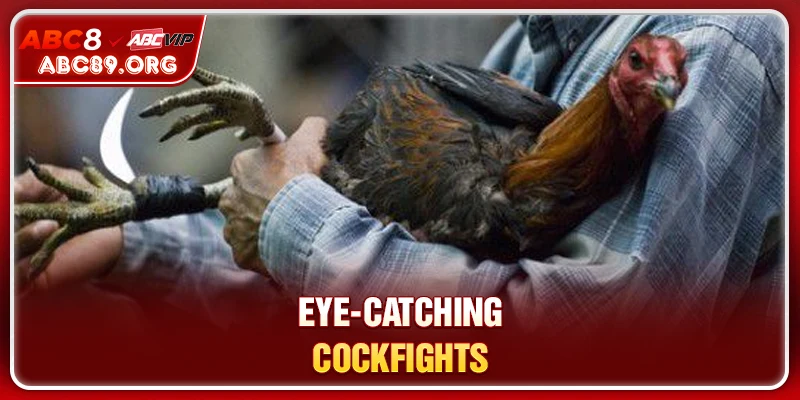
What an image can tell you about a bird
A photograph may show colour, posture and visible features at one moment. It cannot, by itself, establish a bird’s pedigree, health history or future behaviour. A caption claiming a particular breed or superior performance needs evidence beyond the photograph.
The same limit applies to labels such as “American hybrid” or “champion”. A broad description does not identify an individual animal, document its ancestry or validate an outcome prediction. Readers should avoid turning appearance into a ranking of fighting ability.
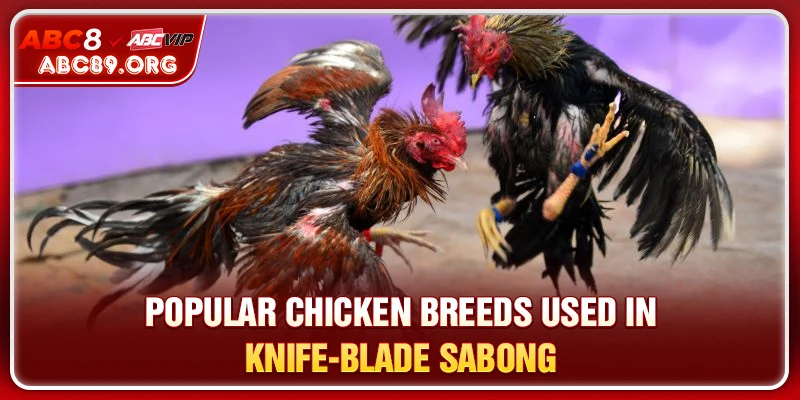
A worked example: interpreting a reposted clip
Suppose a short clip is posted today with the title “Knife-blade final” and a venue name. The upload date establishes when that copy appeared, not necessarily when the event occurred. A cropped frame may omit the original uploader, event identifier or surrounding sequence.
A proportionate description would be: “The repost is labelled knife-blade; its original event date and applicable rules have not been established.” It would be premature to claim that the event happened today, followed a particular time limit or proved that one breed performs better.
If the clip is relevant to an existing complaint, retain its URL, the displayed date and the original caption privately. Distinguish your observations from statements made by the uploader. Avoid circulating distressing footage or personal details merely to seek opinions.
Uncertainty does not create a reliable prediction method
A physical animal contest should not be analysed as though it were a published random-number game with a known probability model. Conversely, describing a contest as unpredictable does not justify any numerical claim about the chance of a particular outcome.
A sequence of displayed results lacks important context if the sample, selection method and missing events are unknown. It cannot substantiate claims of an undefeated expert or a dependable way to recover losses. This page provides no animal preparation, equipment-use or betting instructions.
Animal welfare remains the central concern
Cockfighting can cause severe injury and death. A short recording, attractive graphic or absence of visible blood does not establish that an animal was unharmed. Welfare organisations’ descriptions of the activity concern real physical harm, not just the language used to present it.
If you encounter suspected cruelty, avoid putting yourself or an animal at further risk. Use an appropriate local reporting channel and provide factual observations rather than confronting organisers. A term explained on this website is not an endorsement of the activity or proof that a service is authorised.
